Booth Trials: How Short Debut Sets Are Reshaping the UK Soul Circuit
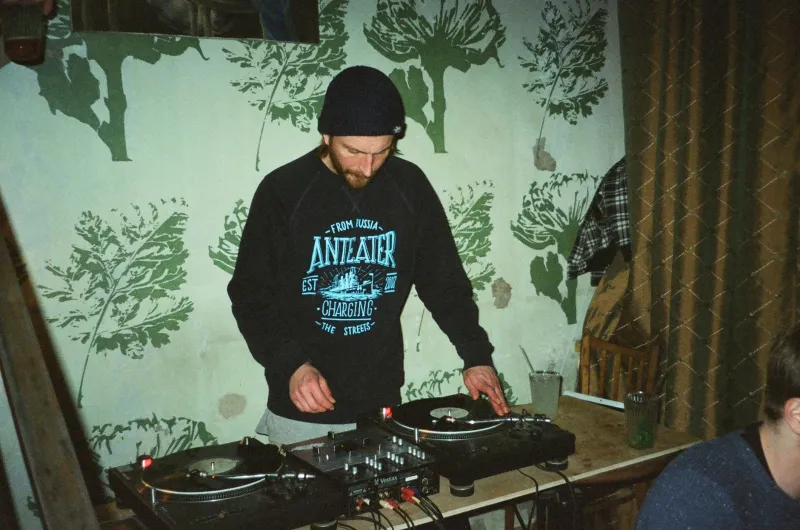
On a Thursday in Leeds, the queue for the loos is longer than the queue for the bar. It is 9.10pm, the room is maybe a third full, and a DJ who has never played out before is carefully sliding a record out of its sleeve. They have twenty minutes. Not a support set, not a warm-up in name only — a proper, advertised turn before the soul night gets busy. The promoter is standing near the side of the booth, not to hover, but to be visible if something goes wrong. Nothing does. The first tune lands, a few heads nod, and the debut begins.
This is becoming a familiar sight on the UK soul and funk circuit. Promoters from Bristol to Glasgow are carving out short debut slots for new selectors: 20-minute turns, open-deck hours, and informal mentoring schemes that put fresh ears in front of a real crowd without asking them to carry a whole night. The format is not new, but in 2026 it feels more deliberate. It is less about filling a gap in the bill and more about building a pipeline.
The case for a smaller first bite
A full set can be a brutal first experience. Two hours is a long time to learn on the job, especially when the room is half-empty at the start and full of Opinions by the end. Twenty minutes changes the maths. It is long enough to make a point, short enough to recover from a dodgy mix or a record that clears the floor. Promoters like it because it lowers the risk on both sides: the newcomer gets a real crowd, and the night gets a selector who has prepared properly rather than padded out a set with safe choices.
“It’s a trial run without the weirdness of an audition,” says one Bristol promoter who runs a monthly soul session in a converted café-bar. “They know they’ve got a short window. The crowd doesn’t necessarily know it’s a debut. That’s the sweet spot.”
What actually happens in twenty minutes
In practice, a debut slot is less spontaneous than it looks. Most newcomers are asked to prepare around ten to fifteen records, with a clear opening tune and at least two possible directions depending on the room. Some promoters ask for a rough plan in advance — not a full tracklist, just a sense of tempo and mood. Others prefer to hear it cold.
The best sets tend to follow a simple arc: start with something that establishes a groove, build for two or three tunes, then leave a little room at the end. That is easier said than done when your hands are shaking and the monitor is louder than you expected. But the short format forces discipline. You cannot spend forty minutes finding your feet. You have to decide what kind of selector you are, at least for the evening.
Reading a room that hasn’t arrived yet
One of the quieter lessons of a 9pm slot is that a soul night crowd is not a monolith. Early on, you get the people who came straight from work, the ones who want to talk, the ones who are already two drinks in and the ones who are saving themselves for the headline set. A new DJ has to work with that, not against it.
“You learn quickly that a full dancefloor isn’t the only sign you’re doing okay,” says a Manchester-based selector who has mentored three debutants this year. “If people are looking up from their pints, if the bar staff are nodding, if one person asks what the second record was — that’s feedback too.”
That kind of room-reading is hard to teach from a YouTube tutorial. It comes from standing in the booth and watching what happens when you change the temperature. A short set gives you just enough time to notice.
Mentoring without a clipboard
Not every scheme is formal. Some nights pair a newcomer with an established DJ who will stand nearby, ready to help with the mixer or offer a quiet word. Others run a quick debrief afterwards: what worked, what didn’t, what to try next time. There is no marking scheme, no certificate, no promise of another slot. That seems to be the point.
“It’s not a course,” says a promoter in Peckham who has been running open-deck Sundays since the tail end of the pandemic. “It’s a hand on the shoulder and a bit of honesty. Most people just need one person to say, ‘That third tune was the one, do more of that.’”
Why established DJs are backing it
You might expect resistance from selectors who have spent years building a reputation. In practice, plenty of them are enthusiastic. A scene that only ever books the same names gets stale. New DJs bring different records, different references and different crowds. They also remind the old hands why they started.
There is a practical angle too. Promoters need reliable people for early slots, bank holiday specials and smaller rooms. A debut night is a low-pressure way to find them. If someone can hold a room for twenty minutes at 9.15pm, they can probably handle a longer set later. If they cannot, everyone finds out gently.
The practical bits: gear, etiquette and nerves
For anyone thinking of putting their name down, the advice from promoters is consistent. Turn up early. Know what you are plugging into. Bring your own headphones and a spare needle if you play vinyl. Do not treat the slot as a chance to play every record you have ever loved. And do not disappear immediately after your set — stay for the rest of the night, listen, and say thanks.
The nerves are normal. The twenty-minute limit helps. It gives you a finish line. You can be terrified and still get to the other side.
Where the format is heading in 2026
Short debut slots are still a small part of the wider UK soul circuit, but they are spreading. You will find them in Leeds listening bars, Bristol café-bars, Glasgow basement rooms and the quieter corners of London’s club landscape. Some are advertised as open-deck nights; others are tucked into the early part of a regular session with no fanfare at all.
That low-key approach is part of the appeal. Nobody is being asked to prove they are the next big thing. They are being asked to play a few tunes, watch the room, and learn. In a scene that thrives on long relationships and deep record knowledge, that feels like a sensible way to bring people through. Twenty minutes is not much. It is also exactly enough to start.