Room to Groove: The UK Funk Bands Turning Rehearsal Into a Night Out
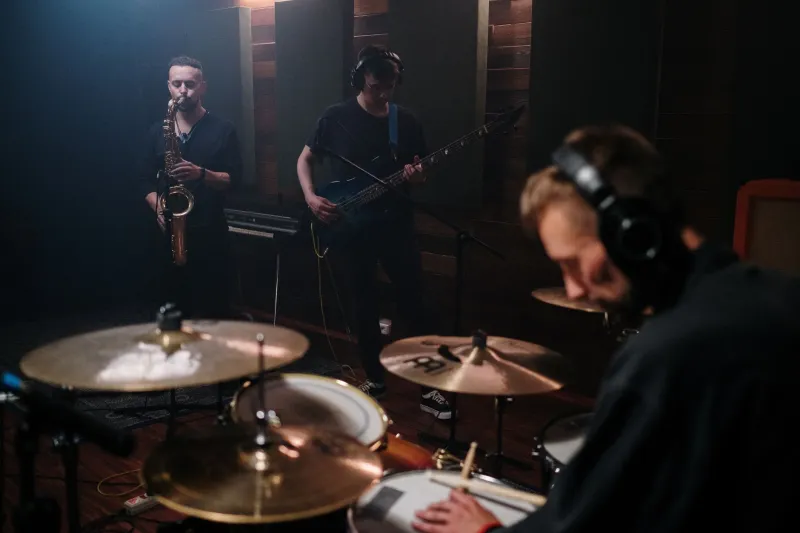
On a Thursday in early November, a five-piece funk band in Bristol runs its soundcheck for forty people rather than an empty room. Doors are at seven, tickets are £6, and the first set is a pass through three unfinished tunes. Between run-throughs, a local soul DJ plays 45s from a folding table. Nobody is pretending this is a proper gig. That is exactly the point.
Call it the open rehearsal, the soundcheck social, or just a cheap night out with horns. The format has been building across the UK’s groove underground through 2026, as small venues tighten budgets and bands look for ways to make rehearsal time earn its keep. The pitch is simple: fans get early access to new material, bands get a live room to test arrangements, DJs get a captive audience, and rehearsal studios get weekday income they would not otherwise see.
Not a Gig, Not Quite a Practice
The shape varies, but the basics are consistent. A band books a room for three or four hours. The first hour is setup and a loose run-through. Doors open. The band plays a short set of works in progress, often twice, with gaps for the DJ. There might be a Q&A, a raffle for a record, or a table selling tapes and shirts. Capacity is usually between forty and eighty. Tickets sit between £4 and £10. It finishes early enough for the last bus.
The appeal for audiences is obvious. A normal gig asks you to judge a finished thing. A soundcheck social lets you hear the seams. You might get a bassline that is still being argued over, a horn arrangement that lands differently on the second pass, or a chorus that the band clearly knows is not there yet. For funk and soul fans who like process as much as product, that is not a downgrade. It is the draw.
The Economics of Half a Show
The numbers are tighter than they look. A decent rehearsal room in Bristol, Leeds or London can cost £25–£50 an hour. Add a PA, a engineer, a DJ fee and a bit of marketing, and a three-hour session can easily hit £200 before anyone has been paid. Sell fifty tickets at £6 and you have £300. Sell thirty and you are subsidising the night from your own pocket.
That is why the format works best where the room already exists: a studio with a performance licence, a community hall, a members’ club, a record shop with a back room. The band is not hiring a traditional venue with a full crew and a rigid curfew. The overheads are lower, the risk is shared, and the bar take can be negotiated. In Leeds, one monthly Sunday session has been running on a simple split: the first £150 goes to the room, the next £100 covers the DJ and the engineer, and anything left is split between the players. Nobody is getting rich. But nobody is losing a deposit either.
Three Rooms, Three Moods
Bristol’s version feels like a workshop with a pulse. A loose collective of players around Easton has been using a converted warehouse space to air new material in front of an invited crowd. The band plays a tune, stops, talks through the arrangement, then plays it again. The audience is encouraged to stay for both passes. It is not unusual to see people taking notes. The vibe is friendly, slightly studious, and entirely serious about the groove.
Leeds has taken a rowdier route. A monthly Sunday session in a Harehills social club leans closer to a party than a practice. The band runs a short set, the DJ takes over for forty minutes, then the band returns for a second half that is looser and louder. Tickets include a pint. The room smells of gravy and old carpet. It is one of the best nights out in the city if you like your funk with a side of bingo-machine nostalgia.
London’s take is more curated. A Peckham rehearsal space with a capacity of seventy has been hosting what it calls ‘open floor’ evenings: one band, one DJ, a strict 10pm curfew and a no-phones policy during the first run-through. The crowd is a mix of scene regulars, local radio people and curious neighbours. The band gets to test new material without the pressure of a headline show. The audience gets a cheap Friday night that feels like a secret.
The Room as a Scene Hub
The best versions of the format do more than fill a gap in the calendar. They turn a rehearsal room into a hub. DJs from local soul nights get a chance to play to a seated, listening crowd. Promoters spot bands before they are ready for a proper bill. Fans who might not go to a club night on a Tuesday find a way in. And bands get real-time feedback from people who are not just their mates.
That last part matters. A rehearsal is usually a private space where mistakes are allowed. Opening it up changes the stakes. Some bands thrive on it. Others find the presence of an audience makes them play it safe. The ones who get it right treat the room as a laboratory, not a showcase. They explain what they are working on. They admit when something is not working. They do not pretend the half-finished song is finished.
The Awkward Bits
There are practical questions. If you are charging, it is a performance, not a private practice. That means insurance, accessibility, noise limits and paying everyone properly. Some early soundcheck socials have run into trouble by treating the night as a casual hang with a whip-round. That is fine for a private party. It is not fine for a public event with a DJ and a bar.
There is also the risk of oversaturation. The UK groove scene is crowded in 2026. Audiences have choices. A badly run open rehearsal is just a cold room with a band that has not rehearsed enough. The format only works if the music is good and the welcome is warm. The novelty of seeing a band in a studio wears off quickly if the set is not ready.
Can It Last?
The early signs are that the soundcheck social works best as a bridge, not a replacement. It feeds headline shows. It builds mailing lists. It gives new bands a first ‘gig’ with lower stakes. It gives established acts a way to test a new lineup without booking a venue. And it gives rehearsal studios a reason to keep their lights on during the week.
Whether it becomes a permanent fixture depends on whether the scene treats it as a proper night out rather than a favour. That means fair pricing, clear listings, good sound and respect for the audience’s time. Do that, and the room with the half-finished chorus might become the most honest night in the UK funk calendar. The doors are open. Bring a fiver and an opinion.