Sofa, So Good: UK Funk and Soul's Quiet Takeover of the Small Screen
There is a decent chance you have heard a UK funk record this week without going near a dancefloor. Maybe it was a wah-wah guitar under a supermarket advert, a horn stab in a trailer for a streaming drama, or a warm soul vocal on a game menu. That is sync licensing at work: the business of placing music against picture. And in 2026 it has become one of the quietest routes from UK club culture to the national living room.
The 30-second window
Sync used to feel like a lucky break for a lucky few. A track got picked for an advert, a TV ident or a film trailer, and suddenly a cult 45 was being Shazamed by people who had never set foot in a soul night. The difference now is scale. Music supervisors are mining British funk, soul and groove catalogues with real intent, while a new generation of UK soul acts is learning to pitch for picture as well as playlists.
As one London-based music supervisor puts it, 'The briefs are getting more specific. Clients want something that does not sound like stock music, but they also need it to be easy to clear.' That is the sync paradox in a sentence: advertisers want authenticity, but they also want paperwork that does not scare the legal team.
Why the groove fits the brief
Funk has practical advantages on screen. A groove can sit under dialogue without fighting it. Horns offer a natural edit point. A bassline can carry a scene without demanding attention. Soul brings emotion without over-explaining it. And British funk and soul carries a particular texture — brass sections recorded in rooms with character, drums that sound like they were played by humans, vocals with a bit of wear in them.
That texture is why vintage Brit-funk and rare groove cuts keep turning up in idents and trailers, and why newer UK soul artists are getting a look-in too. Supervisors are not just chasing obvious classics. They want personality, and they want something that sounds like it could only have come from here.
A licensing agent working with independent UK soul labels adds, 'A sync is not a jackpot. It is a shop window. The money can be useful, but the bigger win is often the attention it brings.'
What it pays, and what it does not
Let us be clear: sync fees vary wildly. A library placement might pay a few hundred pounds. A well-placed UK TV advert from an independent act might land in the low thousands. An established track with a strong rights setup can command more. But the figures people whisper about are not the whole story, and a single advert does not usually fund a career.
The money is split between the master recording and the publishing. Whoever owns the recording gets the master fee; songwriters and publishers get the publishing side. Performance royalties may follow through PRS and PPL, but they depend on reporting, cue sheets and the kind of admin that nobody posts about on Instagram.
Then there are the non-cash benefits. A sync can trigger streaming spikes, Shazam activity, ticket sales and a second life for a record that had quietly gone out of print. It can also give a new artist a calling card. 'We have had promoters mention an advert when they book us,' says one UK soul singer. 'It is not why we make music, but it helps people take the call.'
The contract bit nobody reads until it is too late
This is where the scene needs to be sharp. Sync contracts are not all the same, and the difference between a good deal and a bad one often sits in the small print. Term, territory, media and exclusivity all matter. A licence for UK TV is not the same as a worldwide all-media buyout. A two-year deal is not the same as perpetuity.
Artists should also think about re-records, clean versions, instrumentals and stems. Supervisors often need an edit, and if you cannot supply one quickly, they may move on. Metadata matters too: correct titles, writer splits, ISRCs, publisher information and one-stop clearance can make the difference between a placement and a missed email.
And if a sample is involved, do not assume it is cleared because the track is on a streaming platform. Sync requires clean rights. Split sheets should be signed before the money arrives, not after. If the offer is confusing, get advice. A quick legal check is cheaper than a decade of regret.
From advert to dancefloor
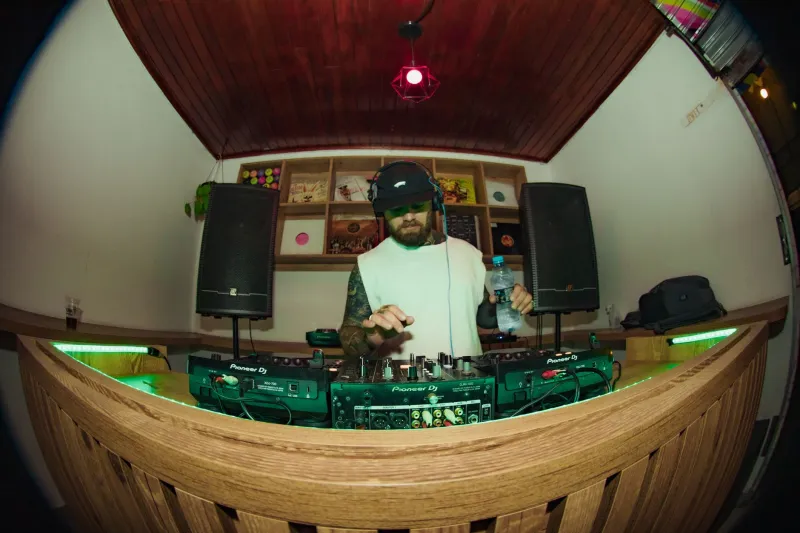
The interesting thing about the current sync boom is that it is feeding back into the scene. Tracks that were once deep cuts for dedicated diggers are now recognisable to a wider audience. That can be good for nights that trade in Brit-funk, boogie and modern soul: a familiar horn line in a TV spot can make a dancefloor click.
But it is not a replacement for the club. A sync can open a door; it cannot build the room. The artists getting the most out of this moment are the ones treating sync as one part of a wider operation — live shows, releases, DJ support and a clear identity — rather than a lottery ticket.
What UK artists can do now
Keep instrumental and clean versions of every release. Have stems ready. Register your works properly. Make your rights easy to understand. Build real relationships with supervisors and licensing agents instead of blasting generic emails. And remember that funk and soul have always been commercial art forms — this is not selling out, it is getting paid for the craft.
The ad break may not be the most romantic venue for a UK groove, but it is a powerful one. In 2026, the small screen has become another place where the scene can be heard.