Stitch in Time: Dressing for the Soul Floor Without Wrecking the Planet
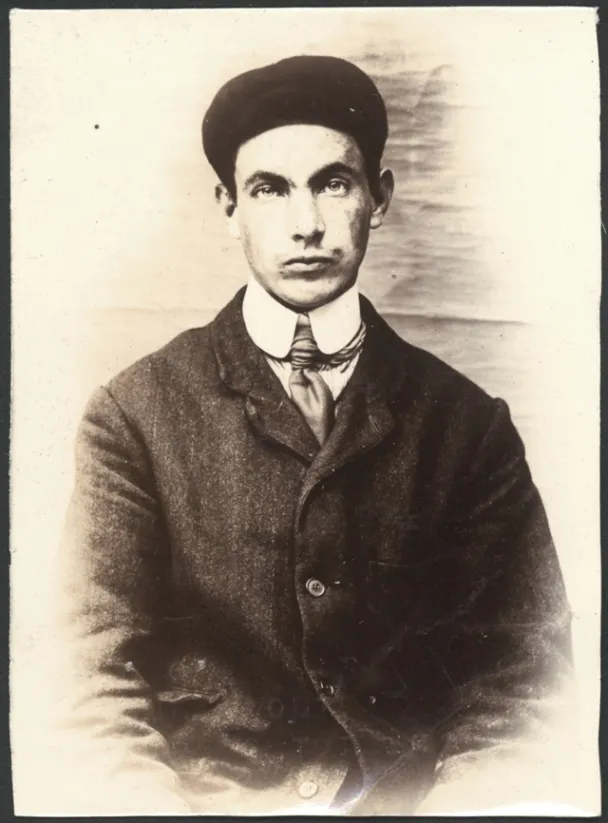
Photo: Tyne & Wear Archives & Museums, No restrictions, via Wikimedia Commons
A soul night is a stress test for clothing. You are moving, sweating, standing close to other people, and doing it for hours. The best dancefloor style has always understood that. It is not costume. It is kit.
The UK has a deep wardrobe for this: mod tailoring, northern soul sharpness, jazz-funk looseness, rare-groove casual. In 2026, the interesting work is happening where that heritage meets repair, thrift and alteration. The question is not just 'what looks right?' It is 'what lets you dance, and what keeps you wearing it?'
The dancefloor is a stress test
Start with movement. Raise your arms. Twist. Squat. If a jacket pulls across the back or a trouser seat feels tight before you have even left the house, it will be worse by midnight. Dancefloor heat is real, especially in a basement room with a low ceiling and a full floor. Breathable fabrics matter more than a perfect line on a hanger.
That is where a good alterations tailor earns their money. Taking in a waist is simple. Letting out a seat, adding a gusset, shortening a hem so it clears a shoe, or adjusting a shoulder so you can reach without strain — that is the useful stuff. Vintage has the same lesson. Check seams, underarms and lining before you buy. A beautiful 1970s shirt with dry rot in the collar is not a bargain. It is a repair bill.
The makers, menders and rails keeping it alive
One Leeds alterations desk has built a quiet trade reworking charity-shop suits for people who actually dance in them. The work is not about making someone look like a museum piece. It is about making a jacket move. Another Bristol vintage seller curates 1970s and 1980s pieces with dancefloors in mind, then sends the good ones for repairs before they hit the rail. A Glasgow cobbler keeps loafers and dance shoes going with resoles and insoles, because a night out is not much fun if your feet give up at 11pm.
This is sustainability without the lecture. The most sustainable garment is usually the one already in your wardrobe, or the one already on a vintage rail. Repair cafés, alterations studios, shoe menders and vintage fairs are part of the scene's infrastructure, even if they do not have a DJ booth. They keep clothes in use and stop the fast-fashion cycle from turning funk style into another disposable costume.
A practical guide to dressing for movement, heat and late nights
Fabric first. Cotton, linen, wool blends and breathable viscose are your friends. Stiff polyester that traps heat is not. If you are buying vintage, check the label and the feel. Natural fibres age better and breathe better.
Fit is a physical test, not a mirror test. Wear the jacket and reach forward. Sit down. Do a small kick. If it fights you, leave it. Trousers should clear the shoe and allow a full step. Pleated cuts and wider legs give you room without looking like you are wearing someone else's suit.
Think in layers. A lightweight overshirt or a thin knit is easier to manage than a heavy coat you have to carry all night. A camp-collar shirt or a breathable polo works for soul nights where the heating is unpredictable. Dark colours and small patterns hide sweat better than pale plains, which is not a fashion rule but a practical one.
Shoes need breaking in before the night, not during it. Leather loafers with a rubber sole or a well-cushioned insole are more sensible than a brand-new pair with a hard sole. Carry a spare pair of socks if you know you will be dancing. It sounds deeply unglamorous. It also works.
And respect the heritage without wearing it as a costume. Mod and northern soul style came out of specific UK scenes, not a fancy-dress rail. Buy well, repair often, and let the look come from how you wear it rather than how much you spent on it.
The point of dressing for the floor is not to pose. It is to stay in the room. A good outfit should let you dance until the lights come up and still make it home with your dignity and your trouser seams intact.